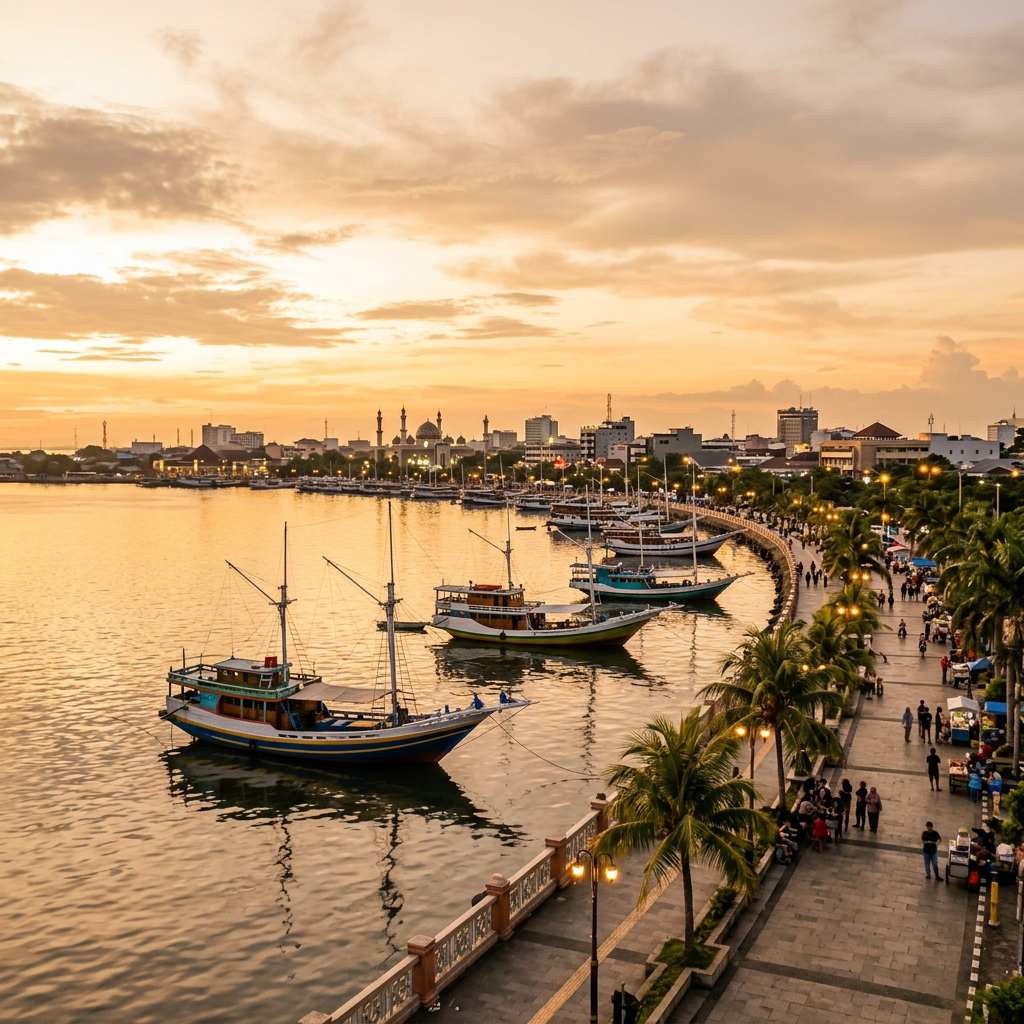
Langkawi shows up in every “best islands in Malaysia” list, but almost nothing written about it addresses digital nomads directly. Duty-free shopping and honeymoon resorts dominate the search results instead. This guide answers the actual question: is Langkawi worth it for digital nomads, and what does it cost to find out?
Entry rules below come from Malaysia’s official immigration sources. Cost and coworking figures come from nomad-tracking sites and are cross-referenced against each other. Sources last reviewed: August 2026.

Is Langkawi Good for Digital Nomads?
Short answer: it’s fine for a slower month, not ideal as a primary base. Langkawi is built around tourism, not tech workers, so the coworking scene is thinner than Penang or Kuala Lumpur. If your work depends on rock-solid, high-speed fiber every single day, mainland Malaysian cities are the safer choice.
If your priorities lean toward slower pace, beach access, and lower everyday costs instead, Langkawi delivers on that trade-off. It works best as a deliberate slowdown, not the place you pick for back-to-back client calls.
Internet and Wifi: What to Expect
Some coworking listings on the island advertise speeds around 16 Mbps as a baseline. At least one space, Jetpack Langkawi, lists connections up to 500 Mbps that reportedly slow to around 100 Mbps during peak hours. That gap between advertised and delivered speed is normal for island infrastructure, so treat any single number as a starting estimate from one provider, not an island-wide guarantee.
Home fiber plans have been reported around $10 a month by nomad cost-tracking sites, which is cheap if accurate. Installation timelines and reliability vary by neighborhood, though, and exact pricing depends on the ISP and plan. If your job requires video calls without interruption, test the connection at your accommodation for a day or two first, and keep a mobile hotspot as backup.
Visa and Entry Rules
Langkawi’s duty-free status covers goods and shopping, not immigration. You enter under the same rules as the rest of Malaysia. Permitted stay depends on nationality, not on immigration-officer discretion: US, UK, and most EU passport holders generally get up to 90 days visa-free, while some other nationalities (India and China, for instance) are limited to 30 days under separate bilateral arrangements. Check the Immigration Department’s official visa-requirement list for your specific passport before booking.
Every visitor now needs to submit the Malaysia Digital Arrival Card (MDAC) online within three days of arrival. It’s free and run directly by the Immigration Department of Malaysia. This applies no matter how you enter the country.
A Social Visit Pass, which is what this visa-free entry technically is, doesn’t authorize local employment. Malaysia has no clear, published rule directly addressing remote work for a foreign employer or foreign clients on a Social Visit Pass, so that activity sits in a gray area rather than being explicitly permitted. A Social Visit Pass isn’t a substitute for a formal remote-work permit, so anyone planning an extended stay built around remote work should check whether DE Rantau or another appropriate pass applies to their situation.
For stays longer than a few months, Malaysia’s DE Rantau Nomad Pass is a formal option. Since a June 2024 expansion, it covers not just IT and digital roles but also other remote professionals — including founders, CEOs, tax accountants, legal counsel, and other business roles — working for non-Malaysian companies. Income thresholds and required documentation differ by category, and it requires a separate application through MDEC’s official DE Rantau platform.
Since immigration rules can shift, confirm current entry requirements with an official source before booking a long stay.
Cost of Living: Budget vs. Comfortable
Langkawi’s cost of living sits in the middle of Malaysia’s range. It’s cheaper than central Kuala Lumpur, but not as low as smaller mainland towns like Ipoh. A lot depends on how close to the tourist strip you choose to live.
| Budget tier | Monthly estimate | What it includes |
|---|---|---|
| Bare-bones | ~$470 | Room outside the center, cheap local food, public transport, café wifi |
| Comfortable | ~$700–900 | City-center rent, mixed local and Western dining, coworking membership, utilities |
These are aggregated estimates from nomad cost-tracking sites, not official statistics. Treat them as a planning range, not an exact figure. Rent is the biggest variable: a room a short scooter ride from the main beach strip costs noticeably less than one inside Pantai Cenang itself, which is why the gap between the two tiers above is mostly a rent gap.
For comparison, central Kuala Lumpur generally runs higher on rent, according to the same crowd-sourced trackers. Figures vary, so check current listings for both places.
Where to Work: Coworking Spaces and Cafés
Langkawi’s coworking scene is small. Day passes start around 40 Malaysian ringgit, roughly $9, at some spaces, according to coworking listings. Jetpack Langkawi is the option most often listed for longer-term remote workers, pairing coworking with a nomad-oriented community.
Outside dedicated coworking spaces, café wifi is inconsistent. Beachfront cafés catering to tourists often prioritize ambiance over bandwidth. A resort with a business center, or a proper coworking membership, is the safer bet for a full workday.
Getting There and Getting Around
AirAsia and Malaysia Airlines both operate domestic flights between Kuala Lumpur and Langkawi, with the trip taking about an hour, though schedules and frequency vary by season. There’s no bridge to the mainland. The direct Penang–Langkawi passenger ferry hasn’t resumed since the pandemic, so flying is the fastest link from Penang; the ferry option runs instead from Kuala Perlis or Kuala Kedah on the mainland.
Once you’re on the island, there’s no real public transit system. Renting a scooter or a small car is standard practice, and most guesthouses can arrange it directly. Grab, the regional ride-hailing app, is available in parts of the island, mainly Pantai Cenang and Kuah town, but coverage thins out elsewhere.
Common Mistakes to Avoid
The biggest mistake is booking a long stay before testing the wifi at your actual accommodation. Advertised speeds and delivered speeds diverge often enough on this island that a short trial is worth the effort.
The second mistake is assuming duty-free status extends to visas or paperwork. It doesn’t. You’ll clear the same immigration process as anywhere else in Malaysia, MDAC included.

FAQ
How long can digital nomads stay in Langkawi without a visa?
It depends on nationality. US, UK, and most EU passport holders generally get up to 90 days visa-free under Malaysia’s Social Visit Pass, while some nationalities are limited to 30 days. Everyone must also submit the Malaysia Digital Arrival Card online before arrival, regardless of nationality.
Is Langkawi cheaper than Penang or Kuala Lumpur for remote workers?
Generally, yes, compared to central Kuala Lumpur. Penang and Langkawi land in a similar range, though, depending on where you rent. Langkawi’s advantage is that its duty-free shopping status makes some imported goods and alcohol cheaper; its disadvantage is a smaller, more tourist-oriented coworking and dining scene.
Do I need the DE Rantau pass to work remotely from Langkawi?
Not for a short stay under the visa-free limit. DE Rantau is a longer-term professional pass for remote workers employed by companies outside Malaysia, covering both IT and, since 2024, a wider range of professional roles. It requires a separate formal application, so most short-term visitors simply enter on the standard Social Visit Pass instead.
Nomad Sea Guide Take
Based on the sources above, Langkawi fits best as a two-to-four-week reset rather than a home base. Beach access and duty-free shopping are real advantages, but the island’s coworking options and wifi infrastructure remain thinner than in mainland Malaysian cities.
If steady bandwidth matters more to your work than scenery does, consider pairing a Langkawi stint with a longer stretch in Penang or Kuala Lumpur rather than treating the island as your only base.
Related Reads
- Kuching Digital Nomad Guide 2026: New Sarawak Pass & Cost — another Malaysian second-tier city with the same visa-free entry process.
- Ipoh Digital Nomad Costs, Wifi and Visa Rules for 2026 — a cheaper mainland alternative if budget matters more than beach access.
- Kota Kinabalu Digital Nomad Cost: Is It Worth It in 2026? — a comparable island-adjacent base with its own trade-offs.
Sources
- Immigration Department of Malaysia — Malaysia Digital Arrival Card (MDAC) announcement (official government source)
- Immigration Department of Malaysia — Visa Requirement by Country (official government source)
- MDEC — DE Rantau Nomad Pass (official government source)
- Nomads.com — Coworking Spaces in Langkawi
- RemoteScore/NomadRanker — Cost of Living in Langkawi