Phnom Penh digital nomad interest has grown as remote workers look past pricier hubs like Bangkok. Cambodia’s capital offers lower rent and a real coworking scene, however visa rules differ from neighboring countries. This guide checks every figure below against official government sources and independent trackers, as of this writing in August 2026.

Phnom Penh at a Glance for Remote Workers
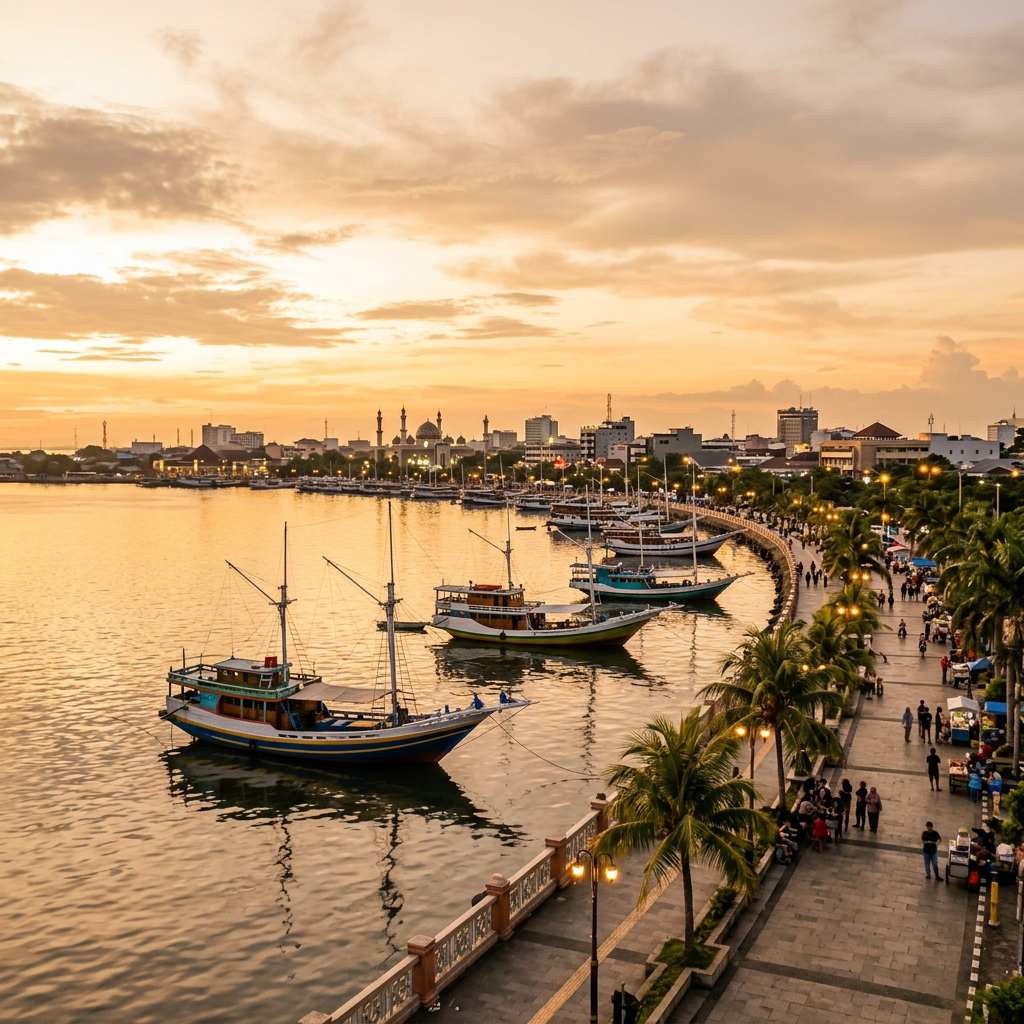
Phnom Penh sits where the Mekong and Tonle Sap rivers meet. The city mixes colonial-era shophouses along the Riverside with newer condo towers in BKK1 and Chroy Changvar. As a result, nomads can pick a slower, local-price area or a polished, expat-heavy one nearby.
The US dollar circulates alongside the Cambodian riel. Most landlords, cafes, and coworking spaces quote prices in dollars, so budgeting stays simple. For example, a coffee bill and a rent deposit are typically both priced in USD.
Phnom Penh Digital Nomad Visa Rules in 2026
Cambodia has no dedicated digital nomad visa. Most remote workers instead enter on a 30-day e-visa or an ordinary (E-class) visa. The official Cambodia e-Visa portal charges $30 for a Tourist e-visa, good for a 30-day stay within a 90-day entry window.
Third-party visa sites often charge $50 or more for the same service. Applying directly at the official portal typically saves money and avoids scam lookalike sites. Every traveler must also file Cambodia’s e-Arrival card, a free form that replaced the old paper arrival, health, and customs forms in September 2024.
The official e-Arrival portal is run by the General Department of Immigration and accepts submissions up to seven days before landing. Skipping it can delay clearance at the airport. Submitting it before boarding is therefore simpler than doing it on arrival.
Remote workers who plan to stay longer typically enter on the $35 Ordinary (E-class) visa instead. They then extend it locally rather than renewing tourist e-visas every month. Extensions into business (EB), general (EG), or retirement (ER) sub-categories run from roughly $50 for one month to around $290–$300 for a year, according to the long-running expat resource Cambodia Expats Online.
Processing happens through the General Department of Immigration. Most nomads, however, use a registered local agent rather than visiting the office directly.
Phnom Penh Cost of Living Snapshot
Numbeo’s Phnom Penh data from mid-2026 estimates single-person costs, excluding rent, at roughly $620 a month (the live, crowdsourced figure shifts week to week). The crowdsourced tracker Nomads.com, meanwhile, puts a comparable budget near $942 as of June 2026. Treat these as starting points, since actual spending swings with lifestyle and neighborhood choice.
For reference, the table below breaks out the categories nomads ask about most.
| Expense | Typical Monthly Cost (USD) |
|---|---|
| 1BR apartment, city center (BKK1, Riverside) | ~$616 |
| 1BR apartment, outside center (Tuol Kork, Chroy Changvar) | ~$355 |
| Coworking day pass (Emerald Hub, SmallWorld) | ~$7 |
| Coworking monthly membership | $60–$100 |
| Local prepaid SIM data bundle (Smart, Metfone) | $1–$10 |
| Groceries and basic food, single person | ~$200 |
Internet Speed and Connectivity
Independent tracking firm Ookla, via DataReportal’s Digital 2026: Cambodia report, put the median mobile download speed at 53.58 Mbps as of late 2025. Median fixed-line download speed, meanwhile, reached 49.32 Mbps in the same period. Mobile speeds jumped nearly 87 percent in the twelve months to August 2025, largely thanks to expanded 4G and 5G coverage from Cellcard, Smart Axiata, and Metfone.
These are real-world median figures, not the advertised maximum speeds carriers list on their websites. Actual cafe or apartment wifi may therefore run slower during peak hours. Testing a connection before committing to a long lease remains a sensible step.
Getting connected on arrival is inexpensive. Smart Axiata’s Traveller SIM costs about $5 for 30GB over 15 days, while Metfone sells bundles from $1 to $10 covering 5GB to 100GB, per guides from esim.net and Zetsim. All three major carriers also issue eSIMs to prepaid customers.
An eSIM helps when a phone lacks a physical SIM slot. For a wider regional comparison, our eSIM guide for Southeast Asia covers pricing across several countries.
Coworking Spaces and Neighborhoods
Emerald Hub and SmallWorld anchor the Phnom Penh coworking scene. Both charge around $7 for a day pass and roughly $60 to $100 for a monthly membership, according to Nucamp’s 2026 coworking roundup and the review site Nomadific. Toolbox and several hotel-based workspaces round out the options, mostly clustered in BKK1 and along the riverside.
Wifi inside these spaces generally beats the citywide median noted above, since most run dedicated fiber lines. BKK1 and BKK3 draw the highest concentration of nomads and expats, with cafes and gyms within walking distance. Tuol Kork and Chroy Changvar sit further out, however they offer noticeably lower rent for a similar unit.
Riverside suits short stays best, since it stays walkable to the old town. It does, though, get noisier at night than the quieter residential streets further back.
Getting Around and Getting In
Phnom Penh has no metro or train system. PassApp and Grab handle most ride-hailing, while short tuk-tuk rides remain common for last-mile trips. Traffic gets heavy during rush hour, so nomads who live near their coworking space typically avoid the worst delays.
Cambodia switched its main gateway on September 9, 2025. Techo International Airport (KTI) replaced the old Phnom Penh International Airport after more than 65 years in service, according to aviation trade outlets International Airport Review and TTG Asia. The new airport sits roughly 20 kilometers south of downtown, so budget extra transfer time.
First-phase capacity reaches 13 million passengers a year. That scale should, as a result, ease congestion during peak travel months.
Safety Notes for 2026
The U.S. Department of State rates Cambodia at Level 2, “exercise increased caution,” largely due to petty crime and rural landmine risk. A Level 4 do-not-travel zone applies only within 50 kilometers of the Cambodia-Thailand border, following military tensions during 2025. Phnom Penh, Siem Reap, and the coast, however, fall outside that zone.
Conditions can shift, though, so checking the advisory before booking remains a reasonable habit. The UK’s Foreign, Commonwealth and Development Office similarly advises against travel within 20 kilometers of the Thailand land border — a narrower zone than the US figure above, since the two governments don’t apply identical criteria. It treats the rest of the country under standard guidance.
These warnings target a narrow border strip, not the whole country. They generally should not discourage a Phnom Penh-based stay on their own. Nomads planning side trips toward Poipet or the northern border, however, should check current conditions first.
Is Phnom Penh Worth It for Digital Nomads in 2026?
Phnom Penh digital nomad living costs come in below Bangkok and Kuala Lumpur for comparable rent and coworking access. The e-visa process is also simpler than applying for most Western long-stay visas. Internet speeds have improved substantially, though wifi quality still varies by building and provider.
For remote workers who want a low-cost Southeast Asia base with real infrastructure, and who don’t need a beach outside the door, Phnom Penh is worth testing for a month. That trial period, therefore, beats committing to a full year upfront.
Do digital nomads need a visa to work remotely from Phnom Penh?
Cambodia has no visa category built specifically for remote work, and enforcement around work permits has tightened considerably. Under the Ministry of Labour and Vocational Training’s current rules, any foreign national physically working in Cambodia — including the self-employed and, per current enforcement guidance, remote workers based there on an E-class visa — is generally expected to hold a work permit and employment card regardless of who pays them, with fines for non-compliance running into the thousands of dollars. This is a genuinely unsettled area for remote workers in practice, so check current Ministry of Labour and Vocational Training (MLVT) guidance rather than assuming exemption. Most travelers who are not visa-exempt still need an entry visa; most nomads use the $30 e-visa for short stays or the $35 Ordinary (E-class) visa when planning to extend locally.
Overstaying either one triggers daily fines at departure. Tracking the expiry date therefore matters more than it might in countries with looser enforcement.

How fast is the internet in Phnom Penh in 2026?
Ookla’s data, published through DataReportal’s Digital 2026: Cambodia report, shows median speeds of roughly 54 Mbps on mobile and 49 Mbps on fixed connections. That generally works well enough for video calls and cloud-based work. Speeds at budget guesthouses can run considerably slower, so testing wifi before signing a long lease is worth the effort.
Is Phnom Penh cheaper than Bangkok or Kuala Lumpur for remote workers?
Generally yes. Numbeo and Nomads.com both put Phnom Penh’s single-person living costs, excluding rent, between roughly $620 and $942 a month. That range tends to undercut typical Bangkok and Kuala Lumpur budgets for a similar lifestyle.
Rent outside the city center, in areas like Tuol Kork, can fall near $355 a month. Exact savings, though, depend heavily on housing choice and personal habits. These figures therefore work best as a planning baseline rather than a guarantee.
Related Reads
- Cambodia Digital Nomad Visa 2026 – what Cambodia actually offers long-stay remote workers, and what it does not.
- Best eSIMs for Southeast Asia Travel in 2026, Compared – a backup data option before you buy a local SIM.
Sources
- Official: Cambodia e-Visa Portal (Ministry of Foreign Affairs and International Cooperation) – tourist e-visa cost and validity
- Official: Cambodia e-Arrival Portal (General Department of Immigration) – mandatory arrival registration
- Official: General Department of Immigration – visa extension processing
- Official: U.S. Department of State Travel Advisory: Cambodia
- Official: UK Foreign, Commonwealth and Development Office: Cambodia Travel Advice
- Independent index: DataReportal, Digital 2026: Cambodia (Ookla speed data)
- Independent: Numbeo, Cost of Living in Phnom Penh
- Independent: Nomads.com, Cost of Living in Phnom Penh
- Independent: Cambodia Expats Online, Visa Guide
- Independent: Nucamp, Top Coworking Spaces in Cambodia (2026)
- Independent: esim.net and Zetsim, Cambodia SIM Card Guides
- Independent: International Airport Review and TTG Asia, Techo International Airport coverage