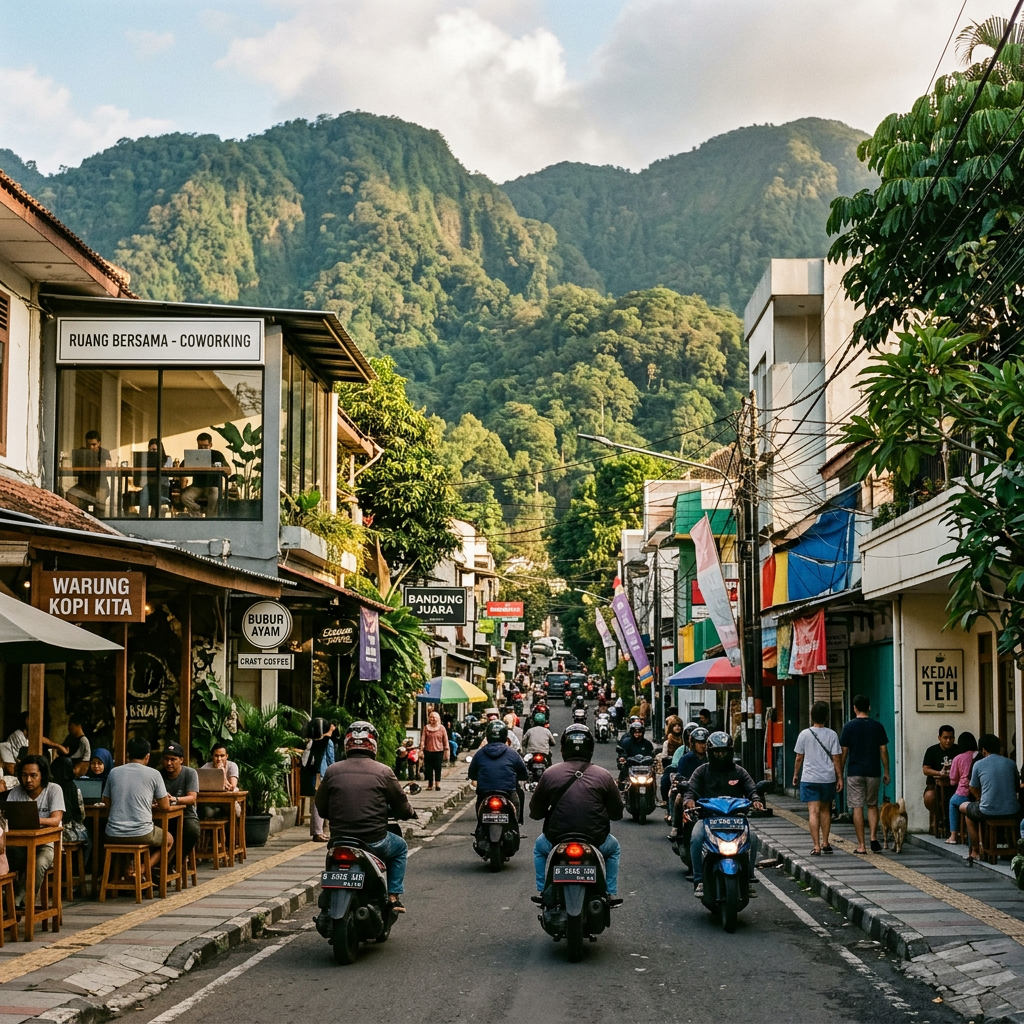
You land in a new country and try to check your balance. Instead, your card gets declined at the ATM, or your online banking locks you out entirely. A US bank account frozen while traveling is one of the more disruptive surprises in digital nomad life. It usually strikes right when you need cash most. Banks are not trying to punish nomads specifically. Their fraud systems are simply reacting to patterns that look like account takeover.

Why Your US Bank Account Gets Frozen While Traveling
Most large US banks now lean on real-time fraud-detection software rather than manual review. One core technique is a geographic velocity check. It compares your last transaction location with your newest one. If the distance makes travel physically implausible, the software flags a likely takeover. A rapid string of purchases across three or four countries in one week can trip the same trigger, even when every charge is legitimate.
Logging into online banking from an unfamiliar IP address adds another layer. Your bank’s app often fingerprints the device and network you typically use. A new country, carrier, or masked VPN IP can all read as a break from your normal pattern. Ironically, a privacy habit can raise the odds of a lockout, since it hides the location signal your bank uses to spot a scammer. Nomad forums report this friction often. However, no major bank names VPN use as an official freeze trigger.
Outdated paperwork compounds the risk. A thread on the Nomad Gate travel forum describes travelers locked out after an expired ID collided with a foreign login. This is an anecdotal pattern, not official policy, but one that recurs in traveler accounts. Add a small charge from an unfamiliar merchant, and a bank’s algorithm often freezes first and asks questions later.
How to Reduce the Odds of a Fraud Freeze Before You Travel
The encouraging part: several major banks have simplified this rather than complicated it in recent years. As of August 2026, Chase, Wells Fargo, and Capital One each state on their help-center pages that a formal travel notice is no longer required. Modern fraud-detection technology can typically recognize legitimate travel without an advance call. That doesn’t mean travel is invisible to these systems, though. A few habits still lower the odds of a false-positive freeze.
- Update your phone number and email before departure. Chase’s guidance flags current contact details as its main pre-trip recommendation.
- Turn on push notifications and account alerts. Wells Fargo’s travel-safety page recommends this so you can spot suspicious activity fast.
- Log into banking apps without a VPN when possible, or only on a trusted network. A mismatched IP location adds to the fraud-signal pile-up above.
- If your bank still offers a travel notice feature, set one anyway. It generally cannot hurt, and it may help with older fraud systems.
- Carry a backup card from a separate bank. A single freeze then can’t cut off every payment method at once.
Which US Banks Tend to Be More (or Less) Nomad-Tolerant
Every bank’s fraud engine behaves a little differently. No issuer publishes its exact triggers publicly, since that would help fraudsters as much as travelers. Comparing official policies and commonly reported traveler experiences still helps set realistic expectations before a trip.
| Bank | Official Travel-Notice Stance | Foreign Transaction Fee | Notes for Nomads |
|---|---|---|---|
| Chase | Not required; fraud-detection technology monitors activity instead, per Chase’s own help center | Varies by account; check your fee schedule | Large US branch network; instant in-app card lock |
| Bank of America | No standalone travel-notice form found on the bank’s primary help pages during this review; Better Money Habits recommends unusual-activity alerts instead | Varies by account | Community reports describe repeated debit-card freezes during domestic and international travel (anecdotal); large branch network |
| Wells Fargo | Travel-notice feature discontinued; recommends account alerts and updated contact info, per Wells Fargo’s travel-safety page | Varies by account | 24/7 phone support with international access codes |
| Capital One | Explicitly not required, per Capital One’s own article | No foreign transaction fee on many Capital One cards | App-based instant card lock/unlock; smaller Café network instead of dense branches |
| Charles Schwab Bank (Investor Checking) | Optional in-app travel notifications available, per Schwab’s checking account page | No foreign transaction fees; unlimited worldwide ATM fee rebates, per Schwab | Online-only bank frequently recommended in nomad communities for this reason |
This comparison reflects publicly stated policies and commonly reported traveler patterns as of August 2026. Fees and fraud tools change over time, and terms can differ even within the same bank. It’s worth confirming current details directly with your bank first.
Online-only banks tend to build travel controls — instant card lock, in-app alerts, chat support — directly into the product, partly because they have no branches to fall back on. Brick-and-mortar banks often still expect a branch visit with ID for certain verification steps. That’s workable at home but awkward from abroad. For a broader look at nomad-oriented banking setups, our Digital Nomad Banking Setup 2026 guide compares Wise, Revolut, Schwab, and N26 side by side.
What to Do Right Now If Your Account Is Already Frozen
- Call the number on the back of your card, or the collect-call number in your banking app. Phone support tends to resolve verification faster than chat.
- Have your ID and recent transaction details ready. Verification moves faster when you can confirm specific charges or merchant names.
- Ask exactly what triggered the hold. A fraud flag, a dispute, and an identity-verification hold are handled differently, and this changes your next step.
- If the freeze relates to a transaction you didn’t make, report it so Regulation E protections apply. Under the CFPB’s rule on resolving errors, banks generally get 10 business days to investigate. That can stretch to 45 days if they issue provisional credit meanwhile. This covers unauthorized transfers, not routine identity-review holds.
- If your bank stays unresponsive, file a complaint through the CFPB’s complaint portal. It routes your case directly to the bank.
- Lean on backup access while you wait: a card from another bank, a trusted contact at home, or a multi-currency balance.
Reported timelines vary widely. Some travelers describe same-day unlocks after one verification call. Others report a week or two when a replacement card must be mailed home. A formal Regulation E dispute can take several weeks under the CFPB’s timeline. Routine fraud holds, however, often clear faster once identity is confirmed.
Backup-Access Strategies So You’re Never Fully Locked Out
A frozen account is far less stressful when it isn’t your only source of funds. Building redundancy before a trip, rather than scrambling for it afterward, is the single biggest lever nomads have here.
- Keep a secondary checking account at a genuinely separate bank, ideally with strong in-app card controls. One freeze then can’t strand you.
- Hold a modest buffer in a multi-currency account such as Wise or Revolut. It works as a stopgap while a bank issue gets sorted.
- Give a trusted person back home limited or view-only account access. Time-zone gaps can make it hard to call a US fraud line during your local daytime.
- Save international collect-calling numbers offline, not just in an app. Wells Fargo’s travel-safety guidance recommends storing these separately from your cards.
One habit pays off before any of this happens. Open a second account at a different bank now, while everything is calm. That beats applying from an internet café after your primary account locks up.
A bank account frozen while traveling is stressful but rarely permanent. This piece draws on official help-center pages from Chase, Wells Fargo, Capital One, and Schwab, plus CFPB and FDIC resources. It’s cross-checked against traveler reports as of August 2026. Bank policies vary by institution and change over time, so confirm current details directly with your bank.

FAQ
Do US banks still require a travel notice before international trips?
Typically not, as of August 2026. Chase, Wells Fargo, and Capital One all state on their official pages that a travel notice isn’t required, thanks to modern fraud-detection systems. Some smaller banks and credit unions still offer the option. Setting one generally cannot hurt if yours does.
Is it safe to use a VPN when logging into my bank account overseas?
It depends on the bank and the moment. A VPN masks your device’s real location. A fraud system may then see a mismatch between your IP location and where your card is used, adding to the signals that trigger a freeze. Switching off the VPN for banking sessions is a commonly recommended workaround among nomad communities. Outcomes still vary, and no major bank publishes an official VPN policy.
How long does it typically take to unlock a frozen US bank account while traveling?
A US bank account frozen while traveling rarely stays locked for long. Commonly reported timelines range from same-day unlocks after a phone call to one or two weeks when a replacement card has to be mailed. If the freeze becomes a formal Regulation E dispute, the bank generally has 10 business days to investigate. That window can stretch to 45 days if it issues provisional credit meanwhile, according to the CFPB’s rule on resolving errors.
Related Reads
- Digital Nomad Banking Setup 2026 (Wise, Revolut, Schwab, N26) — building a multi-bank setup before you leave reduces the odds that a single freeze cuts off all your money.
- Charles Schwab Account Without a US Address — a closer look at opening one of the more nomad-friendly checking accounts mentioned in the comparison table above.
- PayPal Account Limited While Traveling — a related but separate lockout problem worth planning for if you also rely on a payment processor.
Sources
- Chase, “Do I Need to Notify a Credit Card Company When Traveling?”
- Wells Fargo, “Money and Account Safety Tips for Traveling”
- Capital One, “Should You Set a Credit Card Travel Notice?”
- Bank of America / Better Money Habits, “Traveling Abroad? Payment Methods & Foreign Transaction Fees”
- Charles Schwab Bank, “Schwab Bank Investor Checking Account”
- Consumer Financial Protection Bureau, “Electronic Fund Transfers FAQs”
- Consumer Financial Protection Bureau, “§ 1005.11 Procedures for Resolving Errors”
- Consumer Financial Protection Bureau, “Submit a Complaint”
- FDIC, “Consumer Resource Center”
- Nomad Gate Community, “Debit Card, Bank Account Freeze While Traveling” (traveler-reported, anecdotal)