Can you actually work remotely from Dumaguete on a modest income? Or is it just a retirement town with good diving? The short answer is yes. Dumaguete cost of living figures for 2026 put it among the more affordable digital nomad bases in the Philippines. It also comes without the traffic and crowding of Cebu or Manila. This guide covers rent, internet, coworking, visa basics, and safety. Use it to decide whether a slower university-town pace fits your work style.

Why Dumaguete, and Why Now
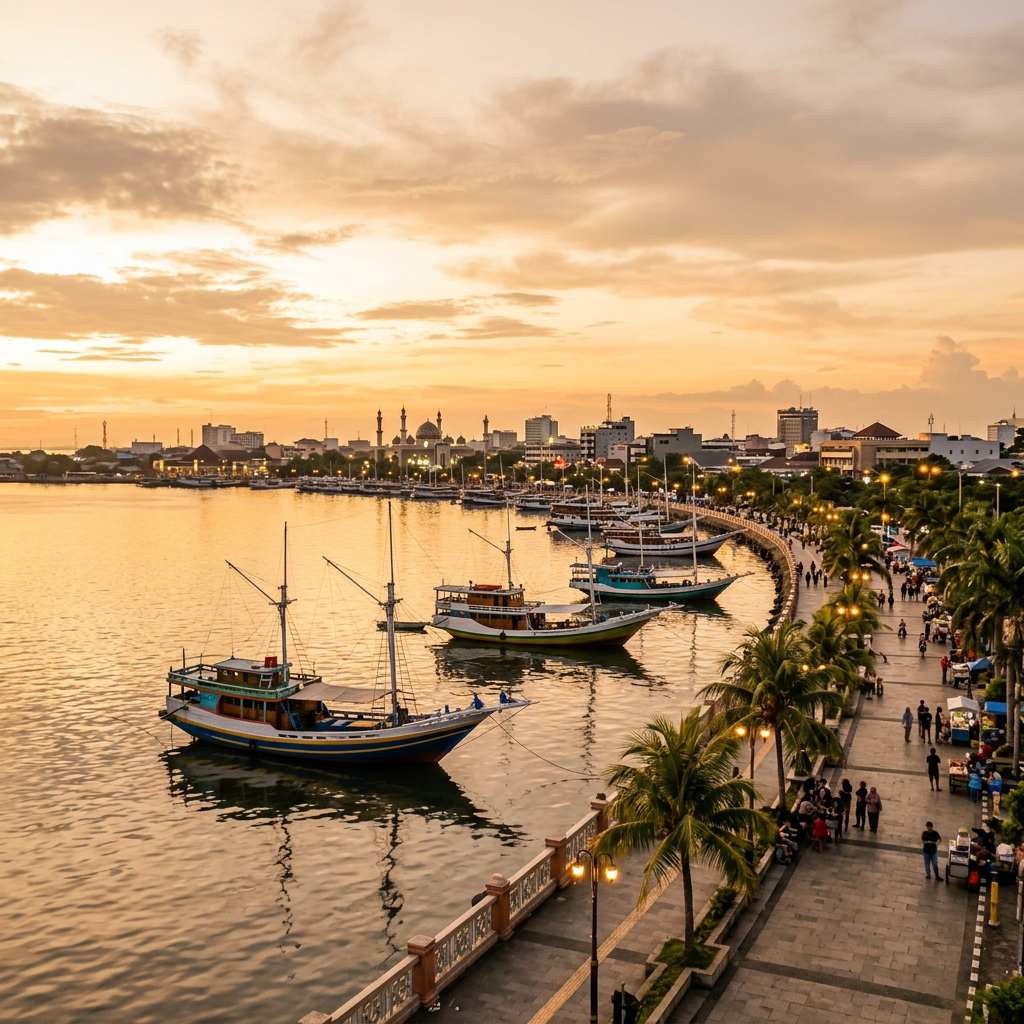
Dumaguete is a mid-sized city on Negros Island. It is home to Silliman University and sits near dive sites around Apo Island. As a result, it has a built-in expat and student population and a walkable center. Its rhythm is also genuinely calmer than Cebu City or Metro Manila. We’ve already covered Iloilo City’s nomad scene. This piece focuses on what makes Dumaguete different: fewer coworking options, thinner nomad-specific data, and, in most cases, lower rent.
Dumaguete will not suit everyone. Internet is workable rather than exceptional. Flight connections run through Cebu or Manila in most cases. The nightlife and coworking scene are also noticeably smaller. However, for nomads who want lower costs and fewer distractions, it’s worth serious consideration.
Dumaguete Cost of Living in 2026
According to Numbeo’s user-contributed cost of living data for Dumaguete (last updated May 2026), typical rent, food, and utility costs sit noticeably below Cebu and Manila. However, Numbeo’s figures are averages built from local contributor entries. Treat them as a general guide, not an exact quote for any specific unit.
Rent: City Center vs Outside Center
Per Numbeo, a 1-bedroom apartment in the city center averages around ₱14,750 per month. That is roughly $242 at the July 2026 exchange rate of about ₱61 to the dollar. The typical range runs ₱12,000 to ₱21,800. Outside the center, the average drops to about ₱13,067, or around $214, ranging from ₱10,000 to ₱18,000. Listings on Lamudi’s Dumaguete rental section skew higher for furnished condos. Unfurnished units are often listed near ₱20,000. Furnished units run up to ₱30,000, or roughly $325 to $490. This gap is a reminder: portal listing prices and Numbeo’s crowd-sourced averages measure slightly different things. For tips on avoiding overpaying as a foreigner, our guide to long-term rentals in Southeast Asia applies directly here.
Food, Groceries, and Eating Out
Numbeo lists an inexpensive restaurant meal at around ₱240, or $4. A mid-range meal for two runs about ₱1,000, or $16. Basic grocery items run low. Rice costs roughly ₱25 per pound. Eggs run around ₱112 per dozen. Chicken fillets cost near ₱124 per pound. For a broader monthly estimate, aggregator sites Wise and CityCost.org put total single-person living costs, including rent, between $793 and $849. Excluding rent, that figure drops to around $553. Treat those totals as rough aggregator estimates, however, since methodology varies between sites.
Utilities, Mobile Data, and Local Transport
Basic utilities, including electricity, water, and garbage, average about ₱4,200 per month, or $69, per Numbeo. The typical range runs ₱3,800 to ₱6,000. A mobile plan with 10GB or more of data can cost up to ₱2,499, or $41. Cheaper prepaid options, however, start around ₱400. A monthly public transport pass averages roughly ₱500, or $8. A single tricycle or jeepney ride typically runs ₱20 to ₱50.
| Expense | Typical Monthly Cost (PHP) | Approx. USD | Source |
|---|---|---|---|
| 1BR, city center | ₱12,000–21,800 (avg ₱14,750) | ~$242 | Numbeo |
| 1BR, outside center | ₱10,000–18,000 (avg ₱13,067) | ~$214 | Numbeo |
| Utilities (basic) | ₱3,800–6,000 | ~$69 | Numbeo |
| Unlimited broadband, 60Mbps+ | ₱1,400–2,000 | ~$27 | Numbeo |
| Mobile plan (10GB+) | up to ₱2,499 | ~$41 | Numbeo |
| Public transport pass | ~₱500 | ~$8 | Numbeo |
| Coworking desk (monthly) | ~₱2,500 | ~$41 | Coworker.com listing |
Costs and exchange rates shift over time. Treat every figure above as a snapshot, not a guarantee. Verify current pricing directly with landlords, coworking spaces, and official sources before committing to a move.
Internet Speed: Advertised vs Measured
Internet speed is where Dumaguete diverges most from national headline numbers. It’s worth separating advertised plans from what people actually measure. Nationally, the Ookla Speedtest Global Index has shown the Philippines climbing steadily in fixed broadband rankings. It reached roughly 53rd out of 154 countries in an early-2025 published ranking. Real-user test aggregator Speedtest Philippines reports a national average measured fixed broadband speed of 109.4 Mbps download and 98.1 Mbps upload, for the twelve months to June 2026. Converge topped providers at 132.4 Mbps download.
Those national averages skew toward Metro Manila and other fiber-dense cities. As a result, they don’t necessarily reflect Dumaguete. Remote-work data tracker RemoteScore (NomadRanker) puts Dumaguete’s measured average closer to 34 Mbps download and 15 Mbps upload. Its reliability score sits at 7.8 out of 10. That is adequate for video calls and typical remote work, but well below the national fixed-broadband average. Numbeo also lists an unlimited plan advertised at “60 Mbps or higher” around ₱1,637 per month, or $27. That is the advertised tier price, not a measured speed. In practice, most nomads pair home broadband with a backup mobile SIM for reliability.
Coworking Spaces in Dumaguete
Coworking options in Dumaguete are limited compared to Cebu, but a handful exist. Space Bar Work Lounge lists a one-month subscription around ₱2,500, or $41. WorkIn and Think Hub also operate in the city, with day-pass and monthly options. According to RemoteScore, coworking connections in Dumaguete average around 24 Mbps. For many bandwidth-heavy tasks, that makes them a more dependable choice than home WiFi. If your work depends on stable video calls, budgeting for a coworking membership is a reasonable default, not an optional extra.
Visa Basics for Nomads Basing in Dumaguete
Most nationalities, including the US, UK, Canada, Australia, and EU countries, receive a 30-day visa-free entry. This runs under the Bureau of Immigration’s Temporary Visitor (9A) Visa Waiver. We’ve covered general Philippines visa mechanics in more depth elsewhere. Here’s what’s specific to Dumaguete instead: the city has its own Bureau of Immigration field office. As a result, nomads generally don’t need to travel to Cebu or Manila for routine extensions.
A first extension typically brings your stay to 59 days. Secondary sources put the cost around ₱3,000, though the Bureau periodically adjusts its fee schedule. Once you pass 59 days, an ACR I-Card becomes required. That generally costs around $50, plus a ₱500 express fee. Extensions can also be filed online through the Bureau’s eServices portal. Because fees and rules change, confirm current amounts directly with the Bureau of Immigration before you plan around them.
The Philippines created a Digital Nomad Visa under Executive Order No. 86 in April 2025, but it is not open yet. As of October 2026 it does not appear on the DFA’s e-Visa portal, and the implementing guidelines, including any income threshold, have not been published. See our Philippines digital nomad visa status update. For now, longer stays run through tourist visa extensions.

Is Dumaguete Safe?
The US State Department’s travel advisory places the Philippines at Level 2, “exercise increased caution.” It cites crime, civil unrest, and localized conflict risk in specific regions. That advisory applies nationally, rather than singling out Dumaguete. It also sits well below the higher-level warnings issued for the Sulu Archipelago and parts of Mindanao. Some rural, mountainous parts of Negros have seen isolated security incidents. It’s generally worth avoiding remote interior areas after dark and staying informed on local news.
Day-to-day, Dumaguete functions as a normal, settled small city. The US Embassy has continued to run periodic consular outreach services in Dumaguete. That points to ordinary operating conditions, not heightened risk. As with most Philippine cities, petty theft and scooter accidents are the more realistic everyday concerns, not violent crime. Even so, verify current advisories yourself before relocating, since conditions can shift.
Getting Around: Tricycles, Jeepneys, and Scooters
Tricycles and jeepneys cover most of the city for ₱20 to ₱50 per ride. The compact center also means many nomads can walk to cafes, coworking spaces, and the seafront boulevard. For trips beyond downtown, or day trips to Apo Island and Valencia, scooter rental is common. Daily rates typically run ₱400 to ₱500, or roughly $7 to $8. Weekly or monthly rentals are often negotiable directly with local operators, such as Kokois Motorbike Rental or listings on Riderly. A scooter isn’t strictly necessary for city-based remote work. However, it opens up the surrounding dive sites and waterfalls considerably.
Should You Base Yourself in Dumaguete?
Dumaguete makes sense if you value low costs and a calmer pace, and don’t need Cebu-level infrastructure or nightlife. It makes less sense if your work requires high, consistent upload bandwidth without a backup plan, since measured local speeds trail the national average. As a next step, book a short trial stay of two to four weeks before committing to a long-term lease. Test your actual internet needs from both a coworking space and a typical apartment. Then confirm current visa fees with the Bureau of Immigration directly, rather than relying on any single blog’s numbers, including this one.
Is Dumaguete cheaper than Cebu for digital nomads?
In most cases, yes. Numbeo’s city comparison data shows Dumaguete running noticeably cheaper than Cebu across rent and general living costs. Numbeo’s own comparison tool estimates you’d need roughly 20% more income in Cebu to match the same standard of living. However, Cebu offers faster average internet and a larger coworking scene. The trade-off is cost against infrastructure and convenience.
How much do I need per month to live comfortably in Dumaguete?
Aggregator estimates from Wise and CityCost.org put a single person’s total monthly costs, rent included, at roughly $793 to $849. A comfortable, modern one-bedroom setup with reliable furnishings generally costs $400 to $500 for housing alone, based on higher-end Lamudi listings. That is on top of food, utilities, and incidentals. Budget-conscious nomads sharing accommodation or renting outside the center can typically spend less.
Do I need a special visa to work remotely from Dumaguete?
Not for shorter stays. Most nomads enter on the standard 30-day visa waiver and then apply for extensions through the Bureau of Immigration, including at the Dumaguete field office. Extensions lengthen a temporary stay but are not a dedicated remote-work authorization. The Digital Nomad Visa created by Executive Order No. 86 is not open for applications yet, so it is not an option today.
Related Reads
- Iloilo City Digital Nomads: 5 Things to Know (2026) — another lower-competition Philippine city worth comparing against Dumaguete for pace and cost.
- Bacolod for Digital Nomads: What It Actually Costs in 2026 — the other main city on Negros Island, for a side-by-side comparison.
- Long-Term Rentals in Southeast Asia: Avoid Overpaying (2026) — practical tactics for negotiating the kind of monthly lease discussed in this guide.
Sources
- Numbeo — Cost of Living in Dumaguete (accessed July 2026, last updated May 2026)
- Lamudi Philippines — Apartments for Rent in Dumaguete
- Wise — Cost of Living in Dumaguete
- CityCost.org — Cost of Living in Dumaguete
- Ookla Speedtest Global Index — Philippines
- Speedtest Philippines (speedtest.ph) — real-user broadband data
- RemoteScore (NomadRanker) — Internet Speed in Dumaguete
- Coworker.com — Space Bar Work Lounge, Dumaguete
- Bureau of Immigration Philippines — Temporary Visitor (9A) Visa Waiver
- Bureau of Immigration Philippines — eServices Portal
- Bureau of Immigration Philippines — Directory Map (field offices)
- US Department of State — Philippines Travel Advisory
- US Embassy in the Philippines — Remote Services in Dumaguete