Bangkok and Bali get most of the attention. However, they also come with crowded coworking spaces and rising rents. More and more Iloilo City digital nomads are choosing a quieter, cheaper Philippine base instead. This guide covers what Iloilo City actually costs, how fast the internet really is, and what the visa rules mean for a working stay in 2026.

Why Iloilo City Digital Nomads Are Choosing This Base
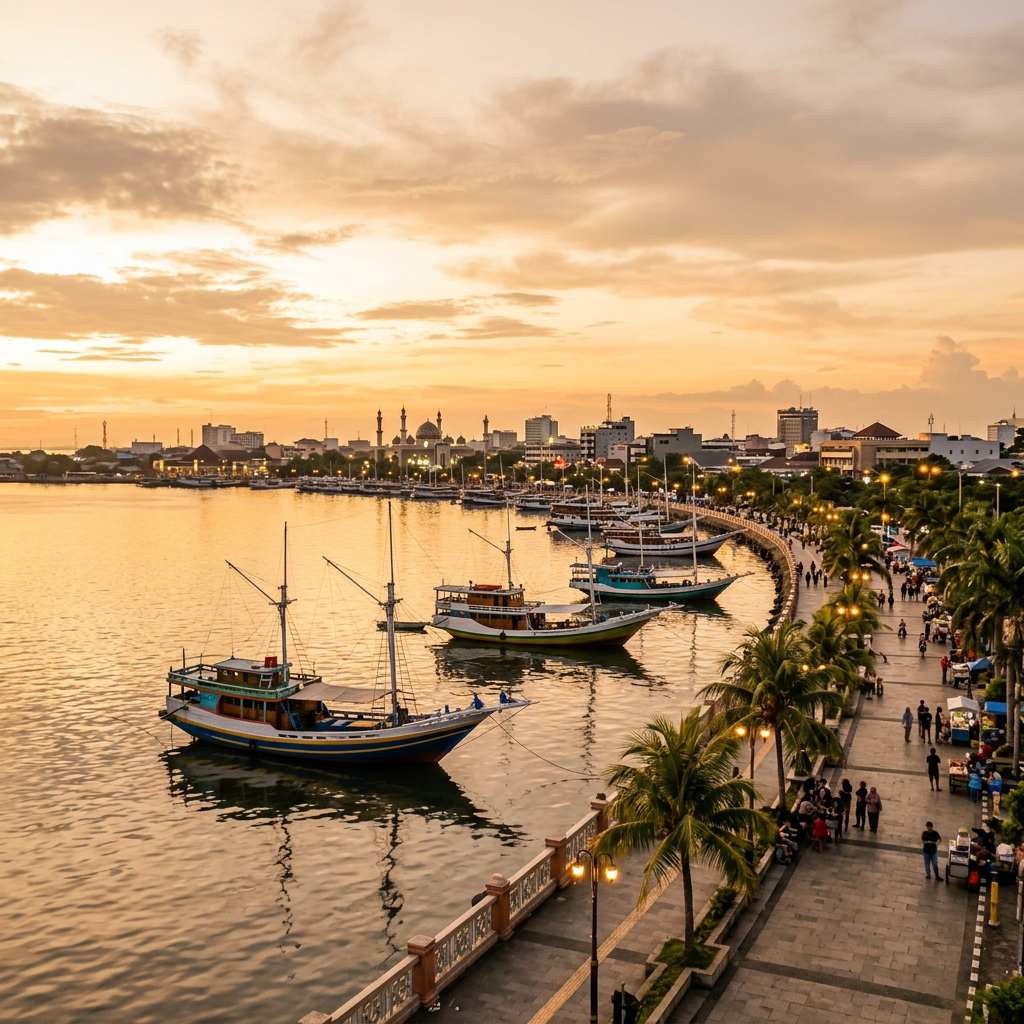
Iloilo City sits on the island of Panay, in the Western Visayas region. It has a walkable downtown, a modern esplanade along the river, and a growing business district called Iloilo Business Park. Locals are known for being welcoming. English is widely spoken, which lowers the friction of daily errands. The city has also not been discovered by the nomad crowd the way Cebu or Manila have. As a result, coworking spaces stay uncrowded and prices stay reasonable.
The city also works as a base for exploring the rest of the Visayas. Direct flights connect Iloilo to Manila and Cebu multiple times a day, so weekend trips to other islands are simple to plan.
1. Cost of Living Is Genuinely Low
According to Numbeo and comparable cost-of-living trackers, a single person can expect to spend roughly $550 to $700 a month in Iloilo City, including rent. That range depends heavily on housing choice, so it pays to compare neighborhoods before signing a lease.
| Expense | Typical Monthly Cost (USD) | Notes |
|---|---|---|
| 1BR apartment, city center | $230–$270 | Mandurriao and the business park area run higher |
| 1BR apartment, outside center | $175–$215 | Older buildings, further from coworking hubs |
| Groceries (1 person) | ~$200 | Local markets are cheaper than supermarket chains |
| Eating out, mixed local/Western | $100–$150 | Local carinderias cost a fraction of Western cafes |
| Transport (Grab, jeepney, tricycle) | $30–$50 | No metro system; most nomads rely on ride-hailing |
Mandurriao and La Paz are the two districts most nomads choose. Mandurriao sits closer to Iloilo Business Park and its malls, so rent runs a bit higher there. La Paz is quieter and generally cheaper. However, it means a longer commute to the newer coworking spaces.
2. Internet Speed Looks Solid, But Check the Averages Honestly
The Philippines has improved its broadband standing considerably. According to Ookla’s Speedtest Global Index, the country’s average fixed broadband download speed ran around 105 to 109 Mbps over the twelve months to mid-2026, with the Philippines ranking in the low 50s worldwide. That is a national average, not a guarantee for any single building in Iloilo City. Treat it as a baseline, not a promise.
In practice, most fiber-connected condos and coworking spaces in the city center report similar real-world speeds. For example, Bonds Coworking and Hive Net Work Hub both advertise fiber connections aimed specifically at remote work. Even so, it is worth testing the wifi in person before signing a long lease around it.
3. Coworking Options Are Small but Functional
Iloilo City’s coworking scene is much smaller than Bangkok’s or Chiang Mai’s. A handful of spaces serve current demand, including Bonds Coworking, Hive Net Work Hub, and Idealist Co-Working Space. Most cluster around the city center or Smallville, a newer commercial strip. In most cases, day passes and monthly memberships cost less than Western coworking chains. However, the trade-off is fewer amenities and a smaller professional network on-site.
If a large community of other remote workers matters to you, Iloilo will feel sparse. If you prefer a quiet place to focus, with dependable wifi and low costs, it typically works well.
4. Visa Rules Follow Standard Philippine Tourist Rules
Iloilo City has no visa program of its own. Every visitor follows the national rules set by the Philippine Bureau of Immigration. Most passport holders, including US, UK, EU, and Australian citizens, receive an initial visa-free stay of 30 days on arrival. As of this writing, travelers can then apply for a visa waiver extension of an additional 29 days. After that, extensions of one, two, or six months are available, generally without leaving the country.
According to the Bureau of Immigration, non-visa-required nationals can generally extend their stay for up to 36 months in total. However, each extension must be filed roughly a week before the current permit expires. After 59 days of cumulative stay, travelers must secure an Alien Certificate of Registration (ACR I-Card). None of these permits authorize local employment. They simply allow a longer tourist stay while working remotely for a foreign employer, which is the arrangement most digital nomads rely on. The Philippines also has a planned Digital Nomad Visa program; see our Philippines Digital Nomad Visa status update for where it stands. Even so, most short-stay visitors in Iloilo simply extend their tourist permit instead.
Immigration rules and fees can change without much notice, so confirm current requirements directly with the Bureau of Immigration or its e-Services portal before booking a long stay. Individual circumstances vary, so check the official rules for your specific nationality.
5. Safety and Daily Life Are Manageable, With Normal Precautions
Iloilo City generally has a reputation as one of the calmer Philippine cities for foreigners. Reported crime is typically lower than in Manila or Cebu. That said, calmer is not the same as risk-free. Standard precautions still apply. Avoid flashing valuables at night. Use Grab instead of unmetered tricycles late in the evening. Stick to well-lit, populated areas, such as the Esplanade or Smallville, after dark rather than older downtown side streets.
Healthcare is another practical factor. Iloilo has several private hospitals, including Iloilo Doctors’ Hospital and St. Paul’s Hospital. Both are commonly used by expats for routine and urgent care. However, for anything serious, many long-term residents still prefer to fly to Manila or Cebu. For this reason, it is worth budgeting travel insurance that covers medical evacuation.
Getting In and Out
Iloilo International Airport has strong domestic connectivity. As of mid-2026, Cebu Pacific and Philippine Airlines together operate dozens of nonstop flights per week to Manila. The flight takes about 80 minutes. Nonstop service to Cebu also runs regularly. As a result, Iloilo works well as a home base, with easy weekend access to the rest of the Philippines, rather than an isolated outpost.
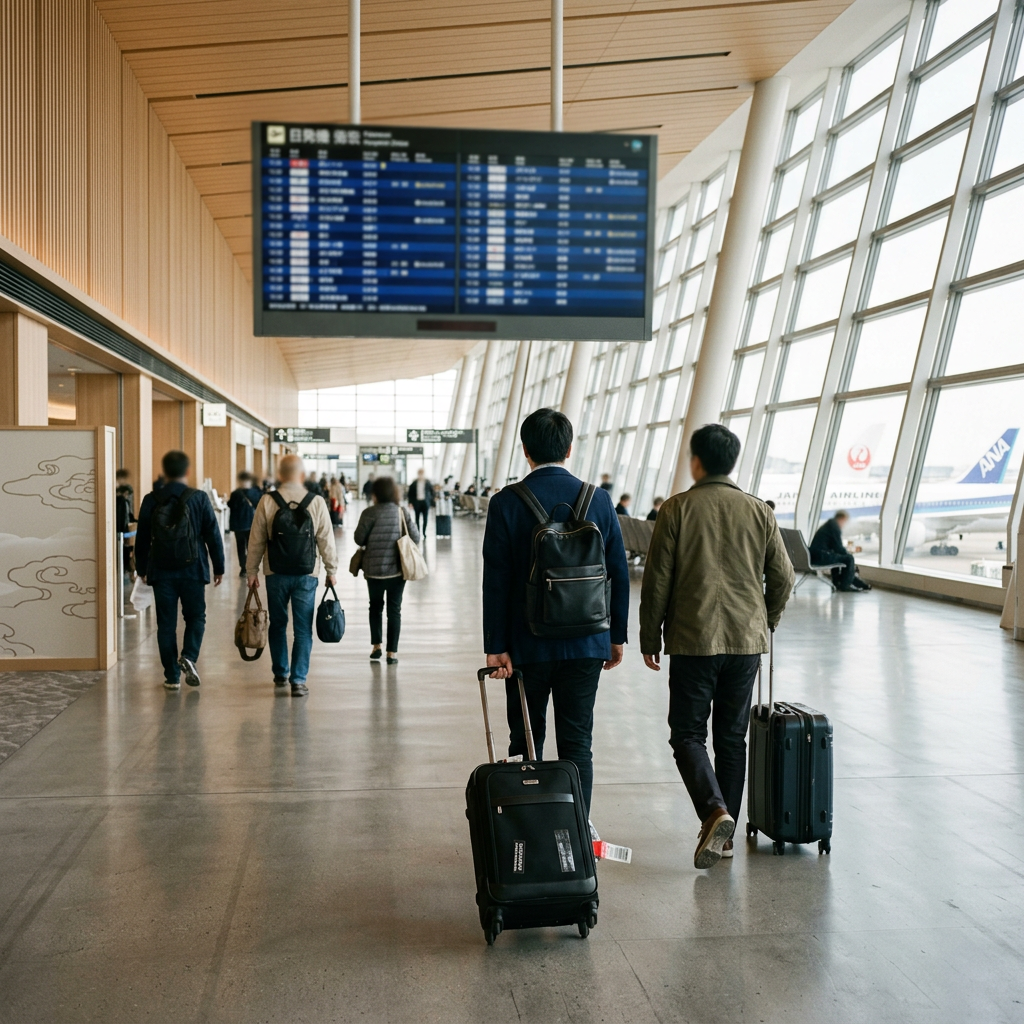
International connectivity is the honest trade-off. Iloilo International Airport has no scheduled long-haul international flights, so nomads flying in from outside the Philippines typically connect through Manila’s Ninoy Aquino International Airport (about 80 minutes away by air) or, for some regional routes, Cebu. Budget an extra half-day on either end of an international trip for that connection, and check whether your onward flight is a same-day itinerary or requires an overnight in Manila before booking.
Is Iloilo City Worth It for Digital Nomads?
Iloilo City suits a specific kind of remote worker: someone who wants low costs and dependable infrastructure more than a packed social calendar. If meeting dozens of other remote workers every week is your priority, Chiang Mai or Bangkok will typically serve you better. If you want to work quietly, spend less, and still reach beaches and other islands on weekends, Iloilo City is worth a one-month trial before you commit longer. In short, Iloilo City digital nomads tend to value calm and value over crowd size.
As a practical next step, book a short-term stay first. Test the wifi at your specific building in person. Then confirm your visa extension timeline with the Bureau of Immigration before you commit to a longer lease.

FAQ
Is Iloilo City safe for solo digital nomads?
Iloilo City generally has a reputation as safer and calmer than Manila or Cebu. However, normal city precautions still apply, especially at night. Sticking to well-lit central areas and using ride-hailing apps after dark reduces most common risks.
Do I need a special visa to work remotely from Iloilo City?
No dedicated Iloilo visa exists. Most nomads enter on the standard tourist entry, then extend through the Bureau of Immigration’s visa waiver and extension system, which can run up to 36 months for non-visa-required nationals. Working for a foreign employer on this status is common practice. Even so, confirm current rules with the Bureau of Immigration before you travel.
How does Iloilo City compare to Cebu for remote work?
Iloilo is typically cheaper and quieter than Cebu, with a smaller coworking and expat scene. Cebu offers more coworking density and a larger international community. The right choice depends on whether you prioritize cost and calm, or community size.
Related Reads
- Bacolod for Digital Nomads: What It Actually Costs in 2026 — the nearest comparable city, a short ferry ride across the Guimaras Strait.
- Reliable Wifi for Digital Nomads in Southeast Asia (2026) — background on how to stress-test a connection before committing to a long lease anywhere in the region.
- Philippines Digital Nomad Visa Status 2026 — for readers who want to look beyond tourist extensions toward the Philippines’ dedicated nomad visa track.
Sources
- Philippine Bureau of Immigration, Temporary Visitor Visa Waiver — https://immigration.gov.ph/visas/visa-waiver/
- Philippine Department of Information and Communications Technology, Internet Speed as of December 2025 — https://ictstatistics.dict.gov.ph/wp-content/uploads/2026/02/Internet-Speed-as-of-December-2025.pdf
- Ookla Speedtest Global Index, Philippines — https://www.speedtest.net/global-index/philippines
- Numbeo, Cost of Living in Iloilo — https://www.numbeo.com/cost-of-living/in/Iloilo
- Wise, Cost of Living in Iloilo 2026 — https://wise.com/us/cost-of-living/philippines/iloilo