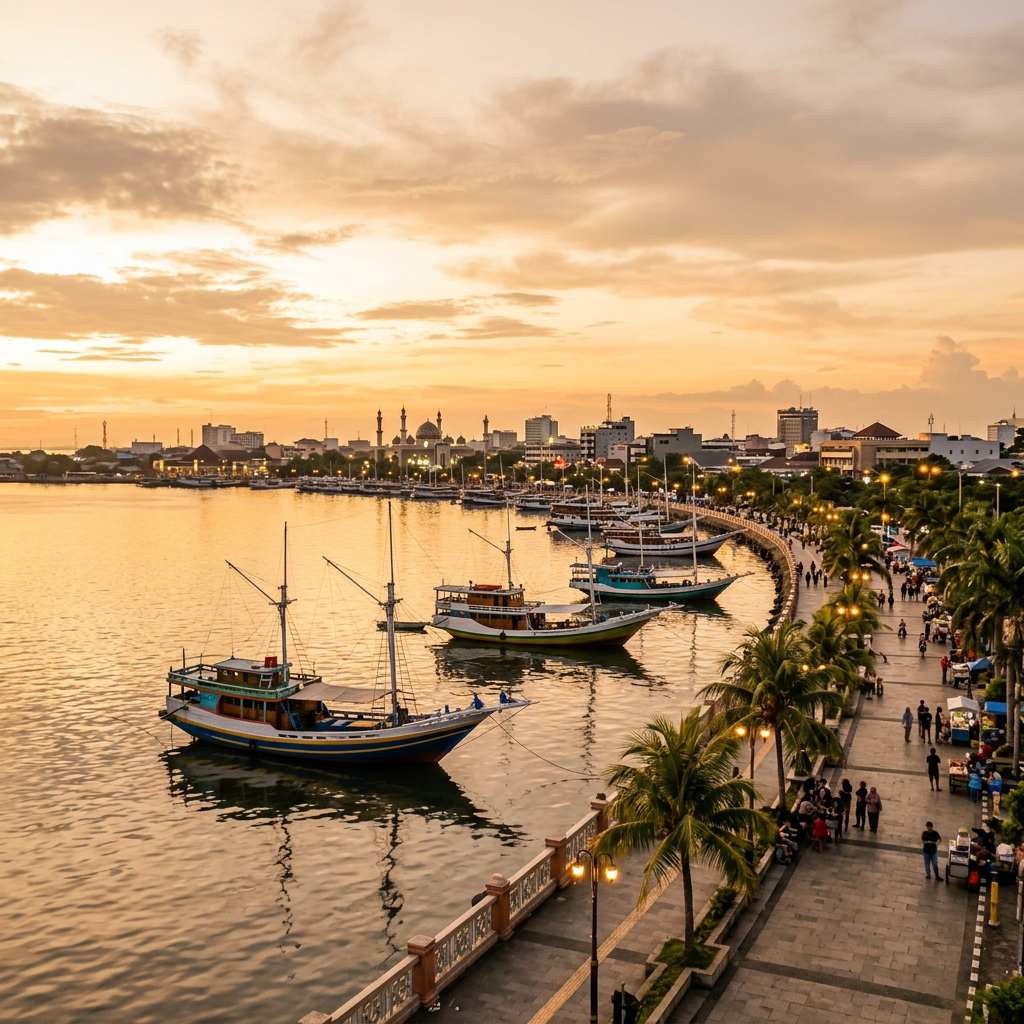
Most digital nomad visa news out of Europe still centers on Portugal and Spain. Bulgaria quietly opened its own remote-worker residence permit late last year, though. Applications have been accepted at local migration offices since December 20, 2025.
The Bulgaria digital nomad visa targets a narrower slice of applicants than Portugal’s D8 or Spain’s version. It uses a distinct income formula, and the permit stops short of a path to long-term residency.
This guide walks through what changed and who qualifies. It also shows how the numbers stack up against the two more established EU options.
Information below reflects official guidance as of this writing in July 2026. Implementing rules for a brand-new permit tend to get adjusted in their first year. Treat this as a starting point, and confirm current requirements with Bulgaria’s Migration Directorate or a licensed immigration lawyer before applying.

What the Bulgaria Digital Nomad Visa Actually Allows
The permit lets non-EU, non-EEA, and non-Swiss citizens who work remotely reside in Bulgaria without a Bulgarian work permit. Their income just needs to come from outside the country.
However, it does not open the local labor market. Holders cannot sign an employment contract with a Bulgarian company or take on Bulgarian clients under this status.
It also does not count toward long-term or permanent EU residency. That is an important distinction from some other European remote-work permits.
In practice, this makes the Bulgaria digital nomad visa best suited to someone who wants one or two years in Bulgaria, based in Sofia, Plovdiv, or the Black Sea coast. It is not built for a longer-term relocation strategy.
Legal Basis and Timeline
The digital nomad category was added through an amendment to the Law on Foreigners in the Republic of Bulgaria. The National Assembly adopted it, and it was published in State Gazette No. 52 on June 27, 2025, entering into force on July 1, 2025. The law itself only created the legal category, though.
The implementing regulation that actually let migration offices process Bulgaria digital nomad visa applications was not approved by Bulgaria’s Council of Ministers until mid-December 2025, with government and press accounts citing December 10 or 11. Applications opened nine days later, on December 20, 2025.
That date comes from reporting by the Bulgarian Telegraph Agency (BTA), the country’s state news agency. Currently, the program is still less than a year into active processing.
Income and Document Requirements
Applicants must show average annual income of at least about EUR 31,010 for 2026, according to Bulgarian law-firm summaries. That figure is set at 50 times Bulgaria’s minimum monthly wage, not a fixed euro amount. The threshold will move if the minimum wage changes in future budget years.
Beyond income, applicants need proof of accommodation in Bulgaria, such as a lease or hotel booking. Valid health insurance covering the stay is required too. So is a clean criminal record certificate from the home country or country of habitual residence.
Foreign-issued documents generally need an apostille or consular legalization, plus certified Bulgarian translation, before submission. Budget extra time for that step. Document preparation is often the slowest part of the process, not the visa review itself.
How Bulgaria Compares With Portugal and Spain
Income thresholds and permit length vary meaningfully across the three programs. The comparison below uses each country’s published minimums for a single applicant as of mid-2026. Family-member add-ons exist for all three but are excluded here for a clean single-applicant comparison.
| Country | Minimum Annual Income (Single Applicant) | Initial Permit Length |
|---|---|---|
| Bulgaria | ~EUR 31,000 (50x minimum wage) | 1 year, renewable once (up to 2 years total) |
| Portugal (D8) | ~EUR 44,160 (4x minimum wage, monthly basis) | 1 year, renewable toward long-term residency |
| Spain | ~EUR 34,188 (200% of minimum wage) | 1 year, renewable up to 5 years |
Bulgaria’s income bar sits below both Portugal’s and Spain’s. That may appeal to earlier-career remote workers or freelancers. On the other hand, Portugal and Spain both offer a realistic runway toward long-term EU residency after several renewals.
Bulgaria’s permit is explicitly capped and does not build toward that outcome. Our existing guides to the Portugal D8 visa and the Spain digital nomad visa cover those application processes and family-member add-ons in full detail.
Application Process
The process starts abroad with a long-stay Type D visa application at a Bulgarian embassy or consulate. After entering Bulgaria on that visa, applicants must register with the Migration Directorate of the Ministry of Interior within 14 days of arrival. That step is what produces the actual residence card.
Standard applications are reviewed within 14 calendar days, according to guidance summarized by immigration law firms tracking the rollout. That window can extend by up to a month for cases needing additional documentation, though. Because the implementing regulation is still new, processing times reported by early applicants may run longer than the official target.
Fees and Timeline to Expect
State fees for the long-stay Type D visa and the follow-on residence card are modest compared with investment-based EU permits. They generally run well under EUR 200 combined for the visa and card issuance. Exact amounts vary by consulate, so confirm the fee directly before applying.
Overall processing time for a Bulgaria digital nomad visa currently runs several weeks, from initial embassy appointment to residence card in hand, assuming documents are apostilled and translated ahead of submission rather than gathered after arrival. Booking the embassy appointment as early as possible can help avoid delays, since consulates are still building out processing capacity for this newer category.
Tax and Practical Considerations
Holding a Bulgarian digital nomad permit does not automatically make someone a Bulgarian tax resident. That determination typically depends on separate day-count and center-of-life tests under Bulgarian tax law. The logic is similar in spirit to the 183-day framework used elsewhere in the EU.
Nomads earning US income should also check how a Bulgarian stay interacts with existing US filing obligations. Visa, residency, and tax rules can differ by nationality and individual circumstances. This article should not substitute for advice from Bulgaria’s Migration Directorate or a licensed immigration and tax professional.
Last checked October 6, 2026: the income threshold (about EUR 31,010) and the one-year-plus-one-year term match Bulgarian law-firm summaries. We could not open the official Migration Directorate or Law on Foreigners texts, and the December 20, 2025 start date is confirmed only by press reports. Check the official sources before applying.

Frequently Asked Questions
When did Bulgaria’s digital nomad visa become available?
The underlying law took effect July 1, 2025. Applications could not actually be submitted, however, until the Council of Ministers approved implementing regulations in mid-December 2025. Migration offices began accepting applications on December 20, 2025.
How much income do I need for the Bulgaria digital nomad visa?
Applicants generally need average annual income of at least EUR 31,000, set at 50 times Bulgaria’s minimum monthly wage. That formula is tied to the minimum wage, not a fixed figure. The exact euro threshold can shift in future years.
Does the Bulgaria digital nomad visa lead to permanent residency?
Generally, no. The permit is capped at an initial one-year term with one renewal, for up to two years total. It does not count toward long-term or permanent EU residency status under current Bulgarian immigration law.
Related Reads
- Portugal Digital Nomad Visa (D8) 2026: Requirements & Costs – the higher-income EU option with a path to long-term residency.
- Spain Digital Nomad Visa 2026: Requirements & Costs – a middle-ground income threshold with up to 5 years of renewals.
- UAE Remote Work Visa 2026: New Rules, Costs & How to Qualify – another recently updated remote-work permit outside the EU for comparison.