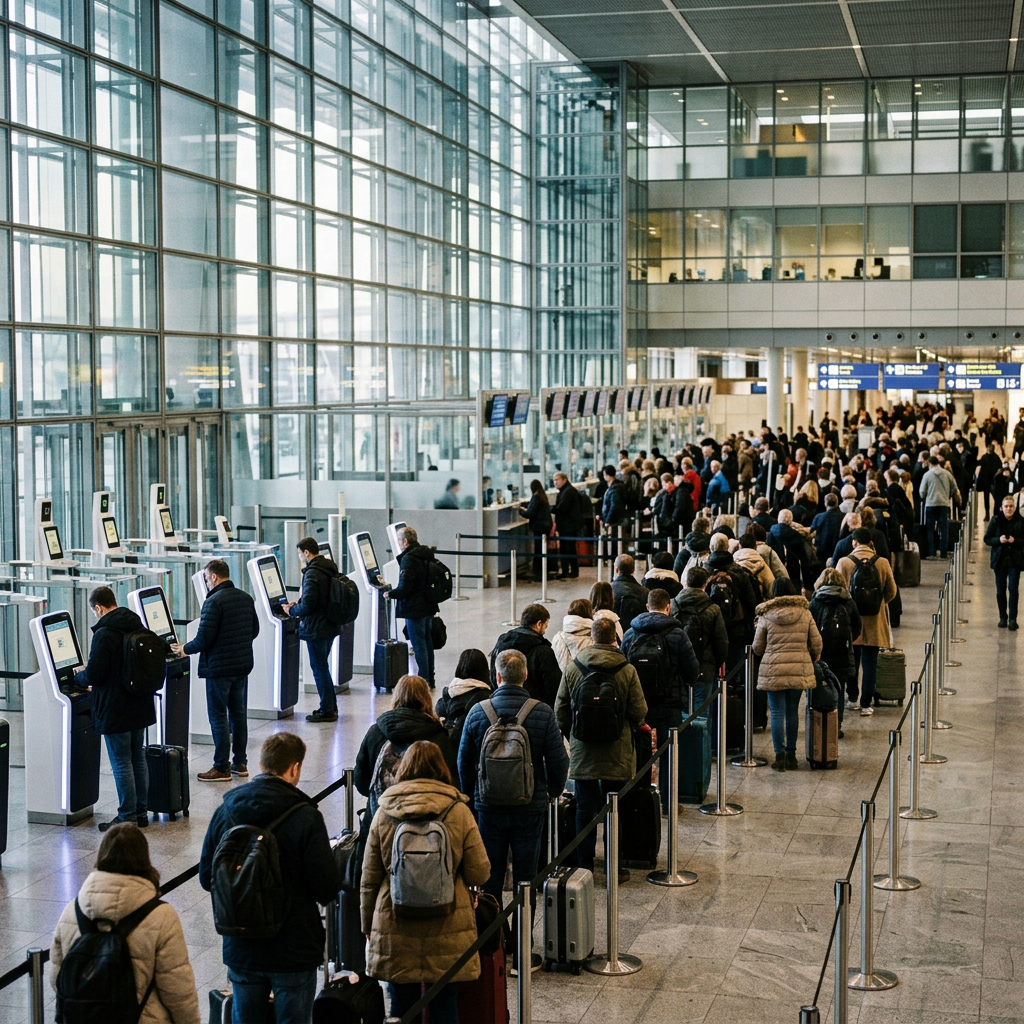
The Thailand DTV visa, officially the Destination Thailand Visa, is the closest thing the country has to a digital nomad visa. Multiple visa agencies and embassy-linked guides report that qualifying has grown harder since it launched in mid-2024. If you plan to apply in 2026, watch for three changes. The first is how “seasoned” your bank statement needs to be. The second is which soft-power activities still qualify. The third is where you are now required to apply from. This article covers what changed, using Thailand’s own Ministry of Foreign Affairs documentation as the source.
For example, it is worth comparing this to Thailand’s other long-stay options first. See how the Thailand LTR visa differs, and how the standard visa exemption period was cut back in 2026. The DTV sits in a different category from both. It is not a work permit, and it is not the wealthy-retiree-focused LTR.

What the Thailand DTV Visa Actually Is (and Isn’t)
Visa agencies and blogs frequently market the DTV as “Thailand’s digital nomad visa.” That framing is generally imprecise. According to Thailand’s Ministry of Foreign Affairs official checklist, the DTV actually covers three applicant categories. These fall into three groups. The first covers remote workers, freelancers, and foreign talent under a “Workcation” heading. The second covers participants in “Thai soft power” activities, such as Muay Thai training, Thai culinary courses, and medical treatment. The third covers spouses and children under 20 of either group. It is legally a long-stay visa, not a work visa. It does not authorize employment with a Thai company or grant a Thai work permit.
The visa itself is valid for five years. Per the official checklist, it allows stays of up to 180 days per entry. One extension is available before you need to exit and re-enter. The government fee is 10,000 THB. This structure has not changed in 2026. However, what has changed is how strictly the supporting documents are being scrutinized.
Three Things That Changed
1. Bank statements must be “seasoned.” The MFA checklist requires a bank statement covering the last three months. The ending balance must be no less than 500,000 THB, or 65,000 MYR for Malaysian applicants. As of this writing, embassies are reportedly enforcing this more strictly than in the visa’s first year. A large balance that appears in the account just days or weeks before the application is a common reason for rejection. Reviewing officers want to see the funds sitting in the account across the full three-month statement period, not arriving as a recent lump-sum transfer. Therefore, confirm the current interpretation with the embassy or consulate handling your specific application, since practice can vary by post.
2. Applications now route through the official e-Visa portal. Since January 1, 2025, DTV applications have moved to Thailand’s official electronic visa system at thaievisa.go.th, rather than in-person embassy submission in most locations. You create an account, select the DTV category, upload scanned documents, and pay the fee online. According to visa agencies and embassy-affiliated guides tracking the e-Visa system, it also cross-checks the applicant’s IP address and location, and applications submitted from inside Thailand are commonly rejected, since the DTV is designed to be applied for from outside the country.
3. Proof of accommodation is easy to overlook. The official checklist lists “proof of prolonged residence in Thailand for at least 6 months, such as a condominium rental agreement, lease agreement etc.” as a required document across all DTV categories, including Workcation. This site could not confirm whether this line item is genuinely new for 2026 or simply under-enforced in the visa’s first year. Either way, as a result, applicants who assume a hotel booking or informal arrangement will suffice are commonly caught off guard.
Required Documents at a Glance
| Document | Workcation Category | Soft Power Category |
|---|---|---|
| Passport valid 6+ months, plus biodata copy | Required | Required |
| Bank statement, last 3 months, 500,000 THB minimum balance | Required | Required |
| Proof of accommodation, 6-month minimum | Required | Required |
| Salary slip or income proof, last 6 months | Required | Required |
| Foreign employment contract or business registration | Required | Not applicable |
| Letter of acceptance from Thai institute, hospital, or training camp | Not applicable | Required |
Visa agencies and embassy guides consistently note that cryptocurrency holdings and investment account statements are not accepted as proof of the 500,000 THB balance; the requirement calls for a conventional bank statement instead.
Where the Media Framing Gets It Wrong
However, travel blogs and visa agencies routinely describe the DTV as a straightforward “remote work visa.” That framing understates two real constraints. First, it does not grant the right to work for a Thai employer or run a Thai-registered business day to day. It permits remote work for foreign employers or clients based outside Thailand. Second, the soft-power category, covering Muay Thai, culinary training, and medical treatment, is not a backdoor to general remote work. Each soft-power applicant needs a genuine letter of acceptance from the relevant Thai institute or facility. Using this category as a workaround for a work-focused stay is a misuse of the visa’s intended purpose.
How the Thailand DTV Visa Compares to Malaysia’s DE Rantau
Nomads weighing Thailand against other regional options often compare the Thailand DTV visa to Malaysia’s DE Rantau pass. According to Malaysia Digital Economy Corporation’s official DE Rantau page, that pass grants an initial stay of 3 to 12 months, renewable once for up to an additional 12 months, for a maximum of roughly two years total. The minimum annual income requirement depends on your profession: over USD 24,000 for tech talent, but over USD 60,000 for non-tech professions such as marketing, finance, or consulting roles. The DE Rantau fee is MYR 1,000 for the main applicant, plus MYR 500 per dependent.
The two programs suit different profiles. The Thailand DTV visa offers a much longer validity window, five years versus DE Rantau’s roughly two-year maximum, and a lower up-front government fee. However, DE Rantau’s income-based test may be easier to document for salaried tech-sector remote employees. It does not require a specific bank balance to have sat untouched for three months. In addition, treat this as a starting comparison, not a final answer, since eligibility details for either program can change.
Should You Still Apply for the Thailand DTV Visa?
The Thailand DTV visa remains among the more accessible long-stay options in Southeast Asia for remote workers and freelancers. That holds true for applicants with a genuine foreign income source and roughly $14,000 in savings, the approximate USD equivalent of 500,000 THB. This is especially true compared to Thailand’s LTR visa, which targets a wealthier applicant profile. However, the tightened documentation standards mean you should start gathering paperwork, especially bank statements, three to four months before you plan to apply, not the week before.
Visa rules and enforcement practices for Thailand change fairly often, and interpretation can vary between embassies. Given how often enforcement details shift, verify current requirements directly on thaievisa.go.th or with the Thai embassy or consulate handling your application before you travel or submit documents.

Frequently Asked Questions
Can I apply for the Thailand DTV visa from inside Thailand?
Generally, no. Visa agencies and embassy-affiliated guides report that the e-Visa system cross-checks the applicant’s IP address and location, and applications submitted from within Thailand are commonly rejected. Plan to apply while you are in your home country or a third country before traveling.
Does the DTV visa let me work for a Thai company?
No. The DTV is designed for people working remotely for employers or clients based outside Thailand, or for specific soft-power activities. Therefore, it does not include a Thai work permit and does not authorize employment with a Thailand-based company.
How much money do I need in the bank to qualify for the DTV?
The official requirement is a bank statement for the last three months, showing an ending balance of at least 500,000 THB, roughly $14,000 USD depending on the exchange rate. As of this writing, embassies are reportedly scrutinizing whether that balance has been held for the full three-month period, rather than deposited shortly before applying.
Related Reads
- Thailand LTR Visa 2026 — the higher-income, longer-stay alternative if the DTV’s bank-balance rules don’t fit
- Thailand’s 2026 Visa Exemption Changes — what changed for shorter, visa-free stays in the same country
- Philippines Digital Nomad Visa 2026 — a regional comparison with its own reciprocity catch
Sources
- Ministry of Foreign Affairs, Kingdom of Thailand, Checklist of Destination Thailand Visa (DTV), official document — image.mfa.go.th
- Thailand Electronic Visa, official government application portal — thaievisa.go.th
- Malaysia Digital Economy Corporation, DE Rantau official program page — mdec.my
Information current as of this writing, most recently checked July 2026. DTV requirements and enforcement practices have changed multiple times since the visa’s 2024 launch and may change again. Therefore, confirm current requirements directly with thaievisa.go.th or your nearest Thai embassy or consulate before applying.