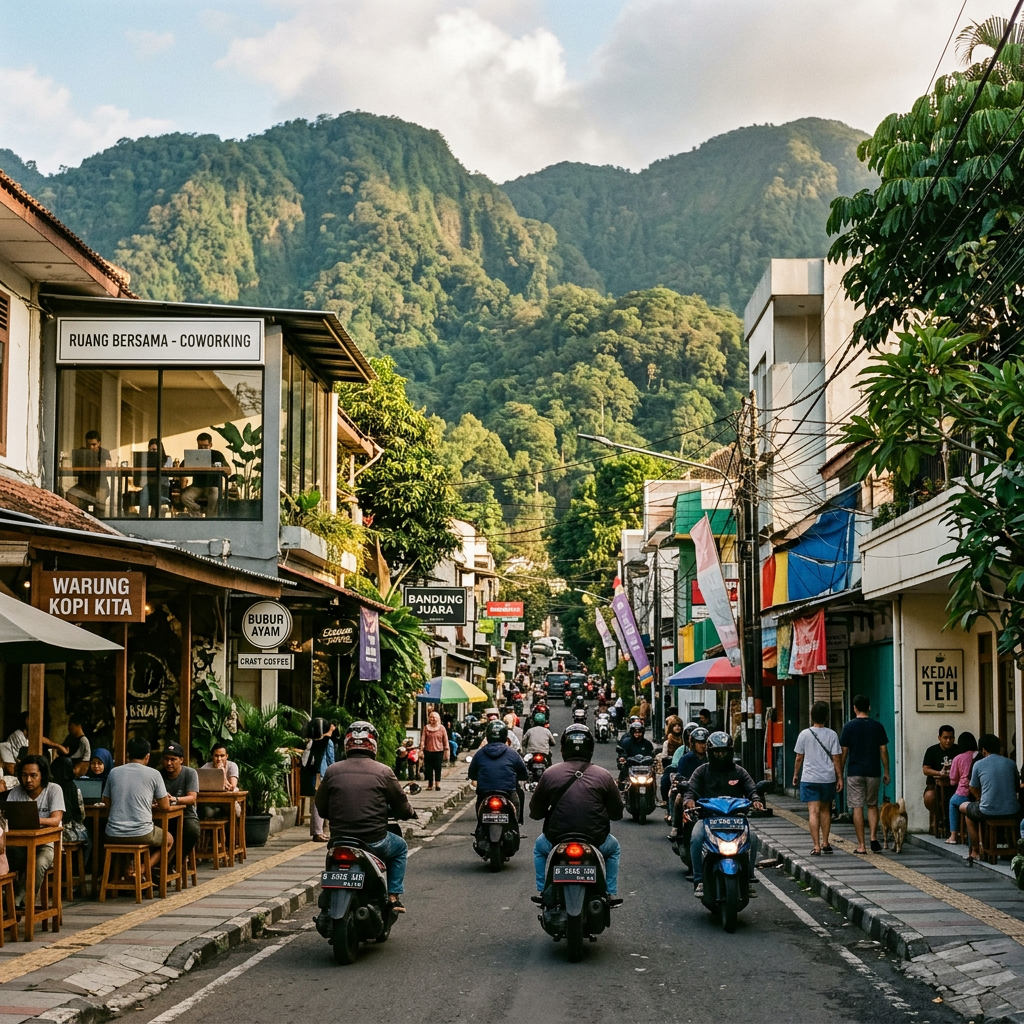
“Make money while traveling” gets thrown around a lot, and a good chunk of what shows up when you search it is either a course someone is selling you or a vague promise with no actual numbers. Here are seven ways people are realistically earning income on the road in 2026, with honest pay ranges and what each one actually requires.

1. Freelancing
Writing, design, editing, and marketing work can all be done remotely and sold as freelance gigs. Fiverr and Upwork remain the two most popular platforms for finding this kind of work, though rates on them start low until you build a review history and portfolio. Landing even two or three repeat clients directly (through referrals or your own outreach) tends to pay noticeably better than platform gigs alone.
2. Online Tutoring and Teaching
This is one of the most beginner-friendly options on this list. Platforms like Cambly connect native English speakers with learners with fairly low barriers to entry, typically paying around $10-12 per hour for standard conversation practice (Cambly Kids pays a bit more). Note that the effective hourly rate often comes in lower than the headline number, since time spent waiting between bookings isn’t paid. Tutor.com and Wyzant run video-call sessions for homework help and test prep, paying $15–$25 per hour depending on the subject.
3. Virtual Assistance
Virtual assistants handle email management, scheduling, travel booking, data entry, and research for clients remotely. General VA work typically pays $15–$30 per hour, while specialized VA roles (executive assistant, real estate VA, e-commerce VA) can pay $25–$50 per hour once you have relevant experience.
4. Social Media Management
If you can build a content calendar, write captions, schedule posts, and respond to comments, small businesses will pay for that skill set. Typical rates run $300–$800 per month per client, and this work scales well once you can manage two or three accounts at once without much extra time investment.
5. Usability Testing and Paid Surveys
Companies pay for real people to try out their websites and apps while sharing their screen and talking through the experience out loud. Individual tests typically pay $10–$60 depending on length and complexity — it won’t replace a full income on its own, but it’s simple, flexible, laptop-and-wifi-only work.
6. Digital Products
Templates, guides, presets, and courses are made once and sold repeatedly, which makes them appealing for location-independent income — but they take real upfront work and some existing audience or marketing skill to sell consistently. This is a slower-build option compared to the others on this list, better suited to a side project than a first income source.
7. Travel Content Creation
Writing articles, running a blog, or producing video content about your travels can eventually generate income through ads, sponsorships, or affiliate links — but it’s the slowest-to-monetize option here and shouldn’t be your only plan for covering costs in the first several months.
Realistic Income Expectations
Worth setting expectations up front: side-hustle income estimates vary widely across recent surveys — commonly landing somewhere between roughly $500 and $1,300 a month depending on the study and how “side hustle” is defined, with typical weekly time commitment more often in the 5-10 hour range than a fixed number. That’s not quit-your-job money in most cases, but it can be meaningful — enough to offset accommodation costs, pay off debt, or build a buffer while you scale up a bigger income source.
One Safety Rule Worth Repeating
You should never have to pay an upfront fee for a legitimate remote job or side hustle. “Pay $99 to get started” or “buy our training kit first” is a reliable sign of a scam, regardless of how professional the listing looks.
FAQ
Which of these pays the most for a beginner with no experience?
Online tutoring and usability testing have the lowest barriers to entry and pay reasonably well immediately. Virtual assistance and freelancing pay more once you build a track record, but take longer to ramp up.
Do I need a work visa to freelance for clients back home while traveling?
This depends heavily on the country you’re in and how long you stay — many countries distinguish between working for local clients (usually restricted) and remote work for foreign clients (often allowed on a tourist visa or covered by a digital nomad visa). Check the specific country’s rules before relying on this income while there.
How much should I expect to earn in the first month?
Realistically, less than the $500–$1,300/month range typically cited by recent side-hustle surveys — those figures reflect people with some established client base or platform history, not week one. Budget for a ramp-up period.
If remote income is part of your travel plan, it’s also worth reading up on banking and card options that work well across borders — see the Related Reads below.
Related Reads
- Digital Nomad Banking Setup 2026 — banking and card options that work across borders
- SafetyWing vs. World Nomads vs. Genki — insurance worth budgeting for once income starts coming in
- Best Freelance Platforms for Remote Income — a deeper comparison of the platforms mentioned in #1
Sources
- Side Hustle Nation, “25 Best Remote Side Hustles to Make Money From Home (2026)”
- The Penny Hoarder, “10 Ways to Make Money While Traveling the World”
- FlexJobs, “30 Best Side Hustles 2026”
- DailyRemote, “25 Best Side Hustles You Can Do Remotely in 2026”
- Heymondo, “How to make money while traveling 2026”